
Scattergories
A team building activity for small teams
Built for workplaces that want real participation, not awkward ice time, Scattergories delivers structure and spark.
Last updated: 2026-09-18




450+ corporate teams
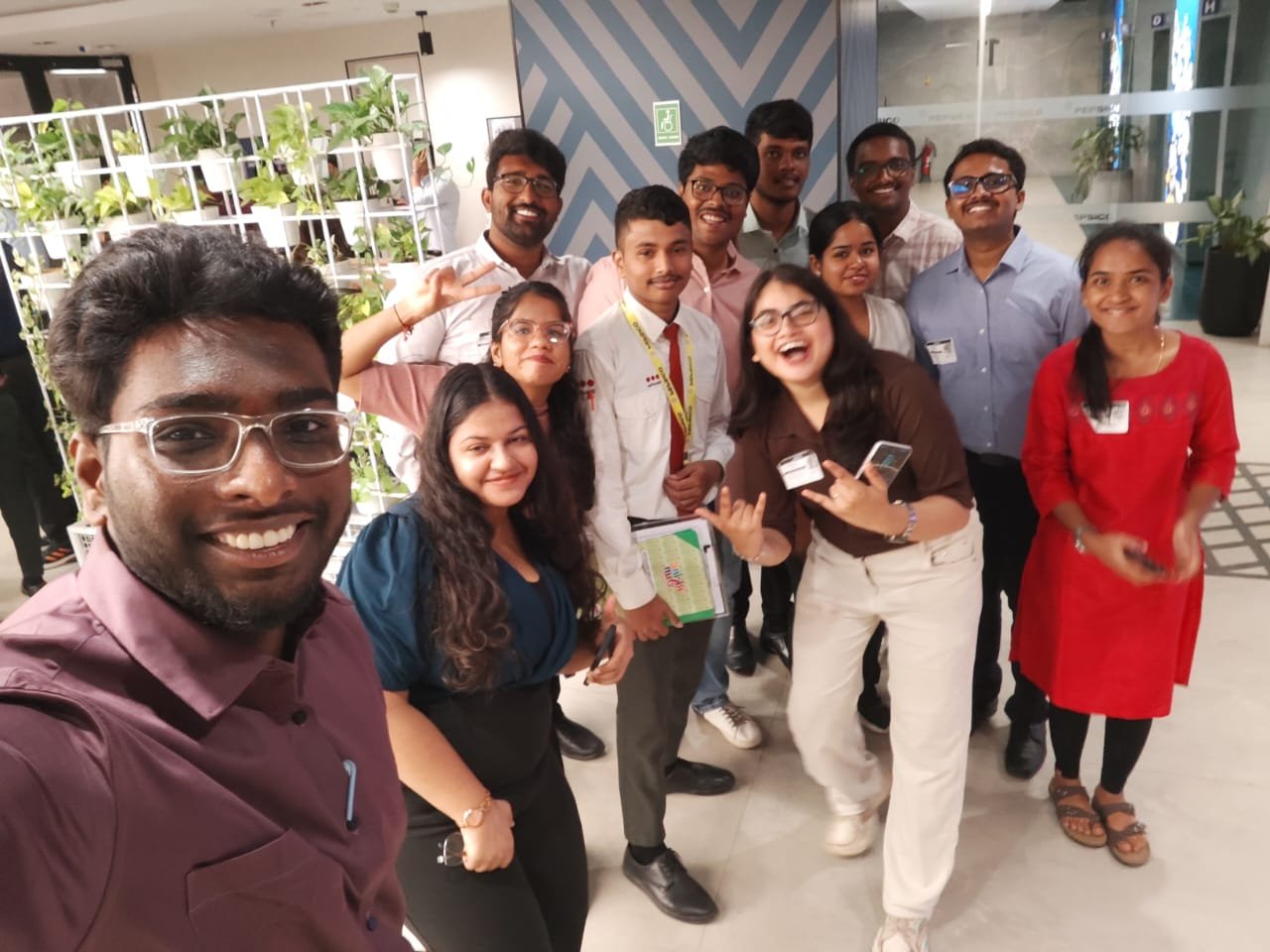
Classic play for team energy
Quick overview
-
Duration
20–60
Minutes total
-
Group size
6–20
Participants
-
Energy
Med–High
Energy level
-
Format
In-person
On-site sessions
-
Category
Classic Game
Activity type
-
Best for
Teams
Offsites & all-hands
What Is Scattergories?
Scattergories team building brings employees into a structured classic game format. Players list words in categories starting with a random letter before time runs out. Leaders choose it when they need corporate team building activities that feel human, not performative.
In a workplace setting, Scattergories is more than entertainment. It creates quick social proof, “we can play and problem-solve together”, which supports employee engagement after the session ends. Facilitators can tune intensity for new hires, executives, or mixed-seniority rooms.
Compared with generic mixer time, Scattergories gives everyone a role and a finish line. That clarity helps startups move fast and helps larger enterprises keep quality consistent across locations. With light facilitation, it becomes a reliable block in your culture calendar.

How it works
A clear session flow from brief to debrief
Follow these steps to run Scattergories with confidence, timing included so you can plan the room or Zoom agenda.
Align on purpose
Name the business reason for Scattergories: onboarding, engagement, celebration, or skill practice. Then explain the mechanic: Players list words in categories starting with a random letter before time runs out.
2–3 minutesSet up for success
Confirm materials, teams, and tech. Preview how success looks for Scattergories so people know what “good participation” means.
3–6 minutesRun the core experience
Facilitate the heart of Scattergories: Players list words in categories starting with a random letter before time runs out. Keep coaching light, rotate attention across the group, and use a timer so momentum stays high. Keep scorekeeping light and celebrate creative attempts.
10–45 minutesShare highlights
Invite a few teams or individuals to share a surprising moment from Scattergories. Spotlight listening, creativity, or support, not only who “won.”
3–8 minutesDebrief into work
Ask what behaviors helped during Scattergories and where those show up in projects, meetings, or remote collaboration. Capture one team commitment before closing.
3–7 minutesTeam engagement & team building benefits
Scattergories works as one of our team building activities, scoped for employee engagement, team bonding, and outcomes HR teams can feel in the room.
Leadership reps without slides
Facilitating or spotting during Scattergories gives emerging leaders live practice in clarity, timing, and care.
Faster interpersonal trust
Scattergories gives colleagues shared reference points beyond job titles, which softens silos and speeds later collaboration.
Engagement that sticks
As one of the more memorable team building activities for employees, Scattergories creates recognition, laughter, and belonging without a heavy agenda.
Safer onboarding moments
New hires can participate in Scattergories with clear structure, meeting peers without pressure to perform in a high-stakes exercise.
Hybrid-friendly participation
With thoughtful facilitation, Scattergories gives distributed teammates equal airtime in corporate team building moments.
Cross-functional familiarity
When departments mix during Scattergories, shared wins reduce “us vs them” distance and open informal collaboration paths.
Communication under constraints
Scattergories surfaces how people listen, clarify, and decide when time or information is limited, skills that transfer to project work.
Psychological safety practice
Done well, Scattergories rewards contribution over perfection, helping quieter voices take smaller social risks.
Who It’s Best For
Remote & hybrid teams
Facilitators adapt Scattergories for video, chat, and breakouts so remote employees are not spectators in corporate team building.
Small teams
Among practical team building activities for small teams, Scattergories keeps airtime personal so everyone can contribute without rushing.
Startups
Resource-conscious startups use Scattergories to build culture quickly, high signal, manageable prep, and energy that fits a busy build cycle.
Cross-functional groups
Scattergories works when departments meet for the first time: shared structure reduces status gaps and sparks informal collaboration.
Large enterprises
Enterprises scale Scattergories with breakouts, table hosts, or timed stations so intimacy survives even when headcount is high.

Preparation
What You’ll Need & Facilitator Tips
What You’ll Need
- A facilitator who can keep time and psychological safety
- A clear goal for the session (kickoff, bonding, celebration, or skill practice)
- Prepared prompts, word lists, or props matching the game
- A scoreboard or shared doc for light competition
- Space to move or a clear camera view if online
- A short rules sheet so everyone starts equal
Facilitator Tips
- End with a 3-minute debrief: what helped your team communicate under time pressure?
- Explain Scattergories with a 60-second demo round before scoring starts.
- Balance competitive energy with celebration of creative attempts.
- Rotate roles so the same people are not always performing.
- Keep scores light; the goal is energy and teamwork, not ranking coworkers.
- Adapt prompts to your industry so jokes stay inclusive.

Variations
Variations & Adaptations
Adjust the format for remote rooms, large groups, low prep, or themed workshops, without changing the core game.

01
Remote adaptation
Run Scattergories on video with chat prompts, reactions, or breakout rooms. Keep instructions on screen and assign a chat moderator.
02
Large-group adaptation
Split into tables or channels of 6–10. Each pod runs Scattergories, then nominates one highlight for the full group.
03
Low-prep / no-materials version
Strip Scattergories to verbal or chat-only prompts so you can launch in a regular meeting with almost no setup.
04
Themed variation
Theme Scattergories around onboarding stories, customer empathy, values, or a product launch so play reinforces a business narrative.
Browse the library
Related activities
-
Classic Game
Team Building Card Tournament (Poker Night)
Friendly, low-stakes poker tournament among colleagues.
Read More -
Classic Game
Charades
Players act out words or phrases silently for teammates to guess.
Read More -
Classic Game
Pictionary
Teams draw clues on a whiteboard while teammates guess the word.
Read More -
Classic Game
Capture the Flag
Two teams try to capture the opposing team's flag while defending their own.
Read More

Scattergories, quick team building exercises for work
Scattergories is one of the team building activities teams use when they want team building activities for work without a heavy workshop agenda. Gotezu facilitators scope the session for your group size, format, and outcomes, whether you are planning corporate team building activities for an offsite or team building activities for employees in-house.
When teams choose Scattergories
HR and people leaders pick this format for kickoffs, culture resets, and employee engagement days where the goal is genuine connection. It fits alongside other indoor team building activities in a longer office team building activities or stands alone as a focused quick team building activities.
Related team building ideas
- Team building activities, explore similar formats in our activities library.
- Team building activities for work, explore similar formats in our activities library.
- Corporate team building activities, explore similar formats in our activities library.
- Team building activities for employees, explore similar formats in our activities library.
- Indoor team building activities, explore similar formats in our activities library.
- Office team building activities, explore similar formats in our activities library.
Frequently Asked Questions
How many people can do Scattergories?
Most teams run Scattergories with about 6–20 people. For larger headcounts, split into smaller rooms or tables so participation stays high.
How long does Scattergories take?
Plan for roughly 20–60 minutes, depending on group size, debrief depth, and whether you add competitive rounds.
Is Scattergories suitable for remote or hybrid teams?
Yes. Use video, chat, and breakouts so remote teammates get equal airtime during Scattergories.
What are the benefits of Scattergories for employee engagement?
Scattergories boosts employee engagement by creating shared energy, recognition, and safer familiarity, especially useful at kickoffs, offsites, and culture resets.
Is Scattergories good for small teams or startups?
Yes. Small teams and startups often prefer Scattergories because it creates visible culture signal without requiring a massive production budget or multi-day agenda.
Do we need special equipment for Scattergories?
Requirements vary by format, but most classic game sessions need only a prepared facilitator, a suitable space or platform, and the core materials for Scattergories, not a full event build.
How do you keep Scattergories workplace-appropriate?
Brief clear boundaries up front, model the tone, offer opt-in intensity levels, and redirect anything that risks exclusion, unsafe behavior, or oversharing.
Can Scattergories work as a corporate team building opener?
Absolutely. Many L&D and HR teams use Scattergories before workshops or strategy sessions because it warms the room without stealing the entire agenda.
Ready to turn Scattergories into a memorable culture moment? Explore related activities or connect with Gotezu to plan a session that supports employee engagement without the fluff.
